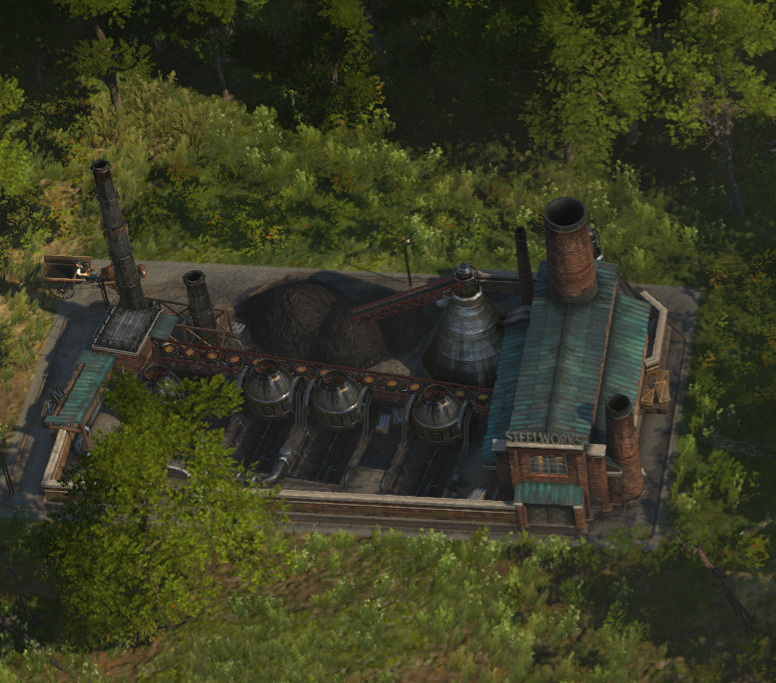
This is the Furnace in Anno 1800. It will receive coal or charcoal and then turn the raw iron into iron.
To build
- Credits -$500
- Timber 4
- Bricks 5
Details
- Unlocks at 300 workers
- Area 4×7
- Regions Old World and New world
- Maintenance -$100
- Workforce -100 Workers
- Attractiveness -5
Description
The Furnace in Anno 1800 is a key part of your Steel production chain. First, it takes raw iron and converts it into steel, making it essential for both the Steel production chain and the Steel beam production chain.
To run, the Furnace in Anno 1800 needs two inputs: iron ore and coal. Once both are delivered, the furnace processes them and produces steel.
What is produced
Steel is a key intermediate material in Anno 1800. First, it’s used in many important items that help you progress through the game. Because of this, steel becomes a core part of several major production chains.
In addition, steel can only be produced in the Old World, so managing your supply lines between regions is essential. However, steel offers no benefits during expeditions, meaning its value stays focused on construction and industry.
Improvements
Next, you can improve the Furnace in Anno 1800 by adding items to a nearby Trade Union. These items offer useful bonuses, such as faster production, lower resource use, or other helpful boosts.
Finally, electricity provides one of the strongest upgrades. Once powered, the Furnace works much faster, making it easier to increase your steel output as your city grows.
Placement
The placement of the Furnace in Anno 1800 is important for keeping production efficient. First, you can place it next to a Warehouse. This way, materials reach the Furnace quickly, and you avoid long travel times that slow down production.
You can also place the Furnace as close as possible to the iron mine. This setup keeps iron ore delivery fast and efficient.
However, if you choose this option, you must place a coal mine or a charcoal kiln nearby as well. This ensures the Furnace receives both required inputs without long travel times.
Trade union
In this section, we look at the items you can place in a Trade Union to improve your Furnace in Anno 1800. To start, these items offer helpful bonuses that increase efficiency, reduce input costs, or boost overall output.
Next, adding the right specialists can greatly improve your Steel production chain, especially as you expand your steel industry. Some items boost production speed, while others lower maintenance costs or provide unique bonuses.
Finally, here is a short list of commonly used items that help improve Furnace performance:
| Item name | Effects | Notes/rarity |
|---|---|---|
| Coal permit | +25% Productivity +20% Attractiveness | Uncommon |
| Heavy coal permit | +25% Productivity +20% Attractiveness | Rare |
| Night and Day Pollution By-Law | -20% Productivity Attractiveness: -60% | Rare |
| Reverberatory Furnace | +50% Productivity -2 Attractiveness +30% Chance of Fire | Rare |
| Green’s Law to Postpone The Apocalypse | -30% Productivity -80% Attractiveness | Epic |
| Lord Footprint’s Gargantuan Smokestack Act | +55% Productivity +60% Attractiveness | Epic |
Electricity
The Furnace in Anno 1800 can use electricity once you reach the Engineer tier. At this point, connecting it to a power plant will double its production speed, giving you a major boost in steel output.
However, this increased efficiency comes with a cost. Because production doubles, you will also need to double the input materials, both iron ore and coal, to keep the Furnace running at full capacity.
Overall, electricity is one of the most effective upgrades for scaling your steel industry, as long as your supply chain can support the increased demand.
Layouts
In this section, we will look at several layout options that help you achieve maximum efficiency and get the most out of your Furnace in Anno 1800. To start, thoughtful placement ensures that materials move quickly and production stays consistent.
Next, arranging your Furnace near key buildings, such as Warehouses, Iron mines, Coal mines or Trade Unions, reduces travel time and boosts overall output. By doing so, you streamline the entire Steel production chain.
Finally, experimenting with different layouts allows you to balance space, resource flow, and future expansion, ensuring your furnace operates at peak performance.
Layout 1
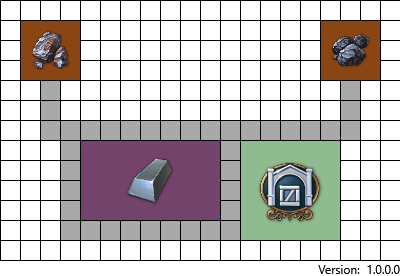
In this layout, you will notice that the Furnace is placed directly beside the Iron mine. By doing this, the iron ore reaches the Furnace quickly, keeping production efficient.
Additionally, two Charcoal kilns are positioned close by to supply the necessary coal. When arranged this way, the entire chain stays compact and efficient, as long as you have enough space near the furnace to fit both Charcoal kilns.
Overall, this setup works well when you want a simple, self contained layout that keeps travel time to a minimum.
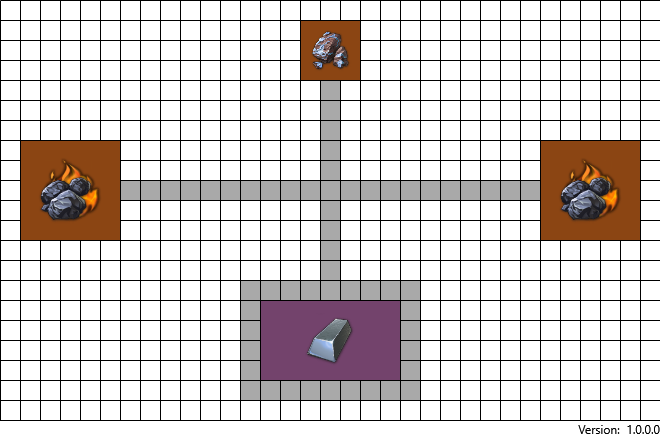
This layout will produce two tons of Steel every minute.
Layout 2
In this layout, the Furnace is placed next to a Warehouse instead of beside the iron mine. Because of this, all materials must be brought to the Furnace rather than coming directly from nearby production buildings.
First, the Warehouse sends both iron ore and coal to the Furnace in Anno 1800. Then, after the Furnace processes them, the finished Steel is returned to the same warehouse for storage or distribution.
Overall, this setup works well when your Iron mines or Coal mines are far away or when you don’t have enough space near the Iron mine. The Warehouse acts as a central hub, keeping the entire chain organised and efficient.
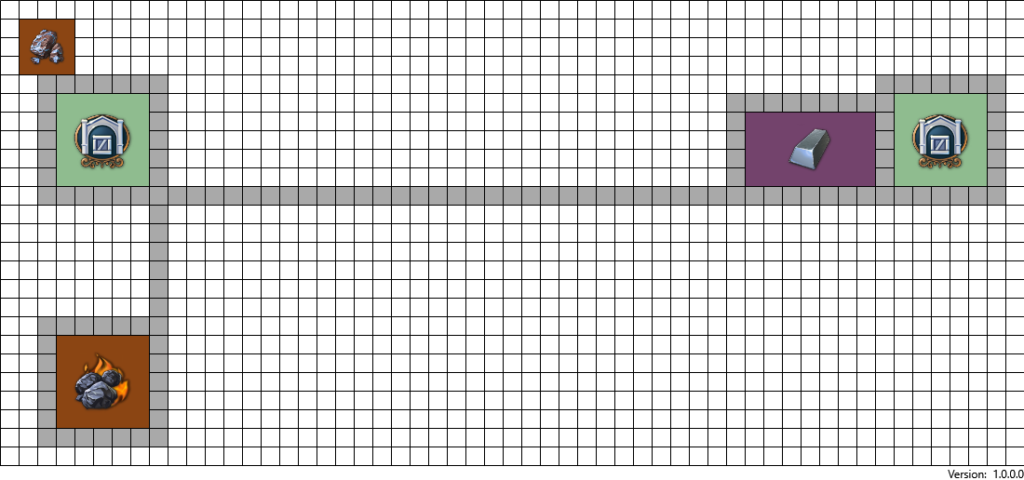
This layout will produce two tons of Steel every minute.
Layout 3
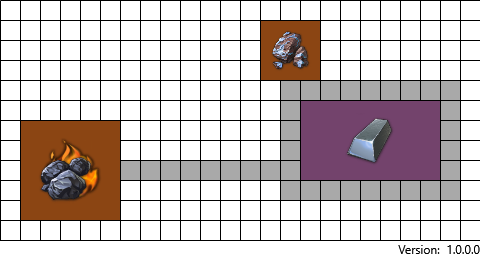
In this layout, the Furnace works alongside a Coal mine instead of Charcoal kilns. Since the Coal mine unlocks at the Artisan level, this setup fits slightly later in your progression.
You only need one Coal mine because it produces the same amount of coal as an Iron mine produces iron ore. This balance keeps both inputs flowing at the right rate.
The Furnace sits next to a Warehouse. From here, iron ore and coal arrive from their mines, move into the Warehouse, and then head straight to the Furnace. After processing, the steel returns to the Warehouse for storage or distribution.
Overall, this layout creates a tight, efficient loop that keeps materials moving quickly between the mines, the furnace, and the warehouse.